← Back to Relics
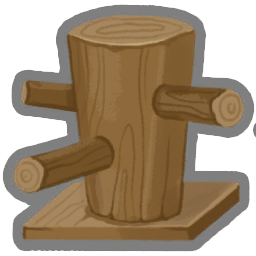
Strike Dummy relic icon
Shared PoolCommonAttackTrade-friendly

Strike Dummy

Strike Dummy is only strong if your deck still contains enough live Strike-tag attacks to justify building around the tag.

Curated Decision Signal

Fast Relic Decision Snapshot

Strike Dummy is only good when it solves the problem your route is about to ask. Use this strip to see the keep signal, the trap case, and the real breakpoint before you read the rest of the page.

ReviewedMarch 28, 2026
Keep signal

Strike Dummy is only strong if your deck still contains enough live Strike-tag attacks to justify building around the tag.

Overrate risk

The usual mistake is reading the ceiling and ignoring the shell.

Real breakpoint

Its value is highest before the deck has replaced too many Strike-tag attacks with other damage cards.

Pass signal

Skip it once removes and transforms have stripped most real Strike density from the deck.

Trade ProfileTrade-friendly
RarityCommon
CategoryAttack
UnlockBase pool

Editorial Strategy Notes

Strike Dummy is only strong if your deck still contains enough live Strike-tag attacks to justify building around the tag.

Editorial PassMarch 28, 2026
When It Is Worth Taking
  • Take it early when starter attacks still form a real share of your damage output or you already have Strike synergies.
When It Is Not Worth Taking
  • Skip it once removes and transforms have stripped most real Strike density from the deck.
Decision Breakpoints
  • Its value is highest before the deck has replaced too many Strike-tag attacks with other damage cards.
Common Fits
  • Ironclad opener decks and any shell still carrying several meaningful Strike-tag cards.
Common Trap Fits
  • It is poor in decks winning through poison, powers, or orb damage instead of attack tags.

Decision Breakdown

Relic Decision Breakdown

The fast pickup notes above tell you the short version. This section slows the judgment down: where the relic is genuinely premium, where it underperforms, and which route or shell question should be checked next.

Why Pick It

Strike Dummy is only strong if your deck still contains enough live Strike-tag attacks to justify building around the tag. Take it early when starter attacks still form a real share of your damage output or you already have Strike synergies. Best homes include Ironclad opener decks and any shell still carrying several meaningful Strike-tag cards. When that support already exists, Strike Dummy stops being theoretical upside and starts changing the next few fights immediately.

Why Skip It

Skip it once removes and transforms have stripped most real Strike density from the deck. It is poor in decks winning through poison, powers, or orb damage instead of attack tags. Strike Dummy drops fast once the run no longer needs the exact job it was drafted to solve, which is where a premium-looking text box turns into dead weight.

Breakpoint

Its value is highest before the deck has replaced too many Strike-tag attacks with other damage cards. That breakpoint only matters if it changes route greed, opener quality, or the fights you can safely take next. If that shift is not changing a real decision right now, the premium story is mostly cosmetic.

Best Shells

The clean homes are Ironclad opener decks and any shell still carrying several meaningful Strike-tag cards. Strike Dummy wants a shell that can cash the upside on the same turn or the same cycle it matters. Those decks convert the text into tempo, stability, or a faster kill clock instead of waiting several fights for the promise to come true.

Bad Shells

It is poor in decks winning through poison, powers, or orb damage instead of attack tags. Those are the shells that make Strike Dummy look stronger in draft than it feels in play. Strike Dummy either arrives too early, lands too late, or asks for support the run never actually built.

Route Context

Route context matters because Strike Dummy is only premium when it fixes the next failure point instead of adding one more nice idea to a deck that already has too many ideas. The next check is Run Combo Damage Calculator. Count how many live Strike-tag hits remain in your best lines before overvaluing the relic. If the call is still close after that, use Open Ironclad Guide. Ironclad is one of the clearest homes for Strike Dummy, so use that baseline. If the next rooms are asking a different question, verify the line before you spend draft equity, a smith, or route safety on it.

Example Line

Take it early when starter attacks still form a real share of your damage output or you already have Strike synergies. The support package already includes Ironclad opener decks and any shell still carrying several meaningful Strike-tag cards. Its value is highest before the deck has replaced too many Strike-tag attacks with other damage cards. That is the version of the run where Strike Dummy stops being speculative and starts changing what you can safely do in the next room or at the next campfire.

Common Misread

The usual mistake is reading the ceiling and ignoring the shell. Skip it once removes and transforms have stripped most real Strike density from the deck. It is poor in decks winning through poison, powers, or orb damage instead of attack tags. Strike Dummy gets overrated when players remember the best-case output but forget how rarely the current deck actually produces that state.

Maintenance Signals

Who Maintains This Page

Curated relic pages should show who owns the judgment layer, when it was checked, and why only selected entries get the extra human review instead of pretending every generated page is equally maintained.

Maintained bySTS2 Calculator Relic Review Desk

Only curated high-value relic pages get this human review layer and maintenance signals. The rest stay lean reference entries on purpose.

Responsible editorSTS2 Calculator Site Operator

Final site operator and responsible editor. Final contact for corrections, rights notices, and maintenance triage via [email protected].

Last reviewedMarch 28, 2026

The curated pickup notes, trap contexts, and next-step routes for this relic were checked on the date shown here.

Revision noteVisible update

Strike Dummy was rechecked in the current curated relic review cycle. The core decision signal, the main trap case, and the first linked follow-up page were all confirmed on this pass.

Patch verifiedCurrent curated relic-review cycle

This page is rechecked when relic text, pickup context, or the surrounding route logic moves enough to make the old note misleading.

Applies toStrike Dummy as a curated relic detail page inside the maintained live-site relic set.

The page is meant to answer when the pickup changes the run, when it underperforms, and which deeper page should come next.

DisclaimerCurated pickup evaluation, not universal relic truth.

A premium relic can still be wrong for the current shell or route. Use the relic database, guides, and route tools when the wider context matters more than the icon.

Effect Snapshot

Keep the rule text readable, then attach the metadata that changes the real pickup decision.

Strike Dummy relic icon
Cards containing “Strike” deal 3 additional damage.
Extra Damage
3
Trade Note

In co-op, this can move to the player who actually triggers it best.

Unlock Timing

Available without a separate Epoch unlock gate.

Starting Owner

This relic does not start attached to a specific character.

Pool

Shared Pool · Common

Synergy Notes

These tags exist to speed up pairing decisions, not to drown the page in filler.

Attack pressure

Fits decks that lean on repeated attacks or front-loaded damage windows.

Related Relics

Shared tags matter more than vague similarity, so this list stays tight.

Co-op Notes

Trade rules matter because the best relic is often the one on the right teammate.

Trade Profile

Trade-friendly

In co-op, this can move to the player who actually triggers it best.

Starting Owner

No fixed owner

This relic does not start attached to a specific character.

Unlock Route

Base pool

Available without a separate Epoch unlock gate.

  • Trade-friendly once acquired, so the cleanest home is the player who triggers it every fight.