Character Guide

Slay the Spire 2 Ironclad Guide

Ironclad still wins by making early turns matter. Bash and Burning Blood let him take rough fights up front, then the best lists turn that tempo into Vulnerable burst, Exhaust value, or long-fight Strength scaling.

The class is at its cleanest when every card either opens a damage window, cashes in on one, or pays you back for thinning the deck with Exhaust. If a card does none of those jobs, it usually needs a very good reason to stay.

Vulnerable burst87 cards8 relics38 attacks28 skills21 powers
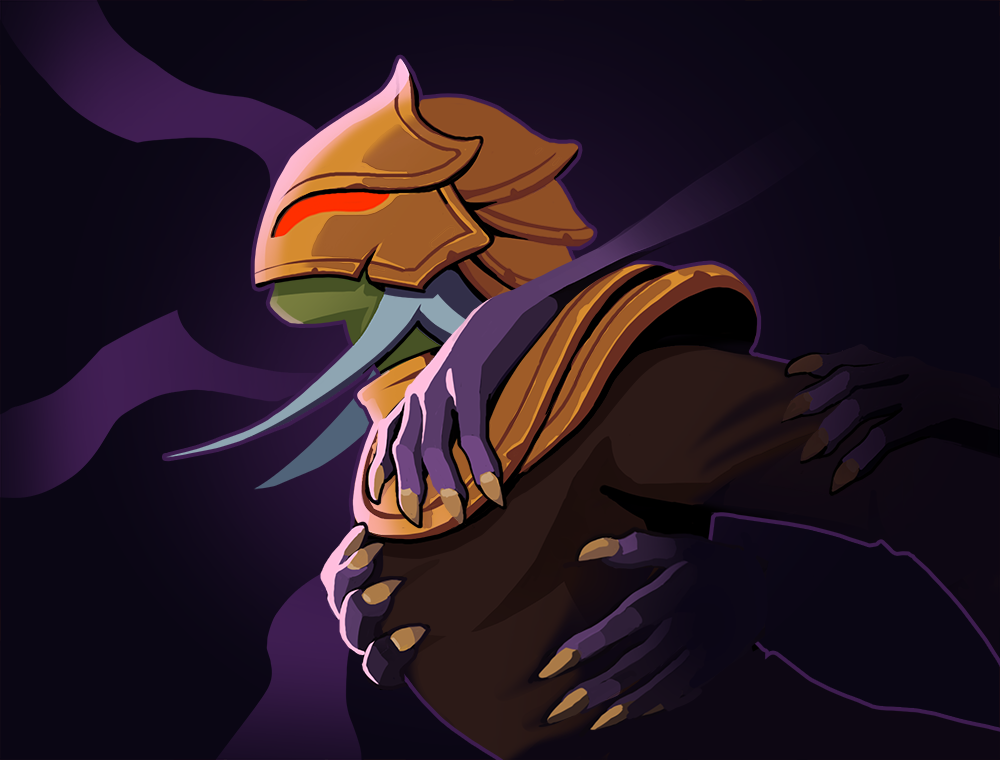
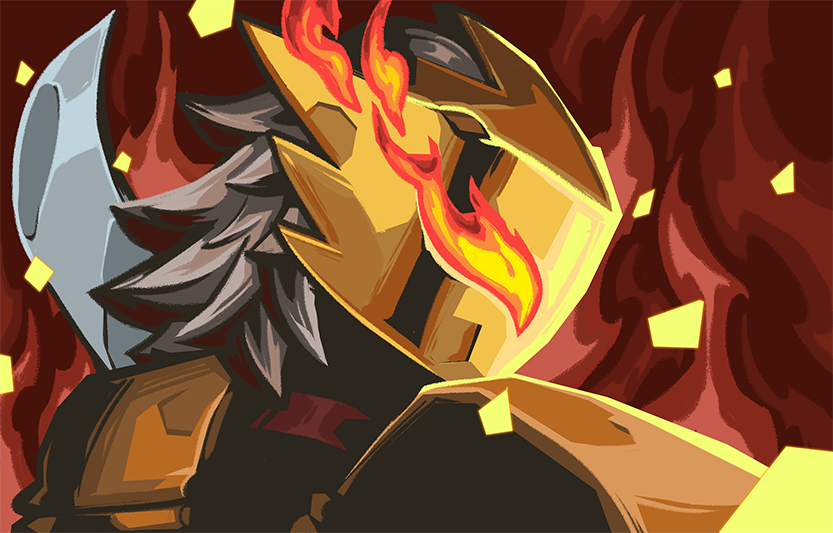
Ironclad artwork
Sword pressure first, scaling second. Ironclad decks stay clean when the payoff cards arrive before the room stabilizes.

A-Grade Guide Scope

How To Use The The Ironclad Guide

This page should explain the class plan, the package priorities, and the act pressure points without pretending one static guide can script every run.

Reviewed2026-03-28
Use This Guide

Read the class plan before you chase one premium hit

Use this page when the real question is how The Ironclad wins, which core cards and relics matter, and what act checkpoints punish lazy drafting.

Where It Drifts

A guide stops helping when you treat it like fixed pick order

Patch shifts, relic spikes, and route pressure can all move the best line away from the default shell. One long page should frame judgment, not fake certainty.

Open A Tool Next

Switch to a calculator once the room asks for numbers

This guide covers package fit and route logic. If the next decision is exact HP, damage, draft, or campfire math, use the linked tools instead of forcing precision out of the guide.

Current Scope

This guide is tied to the current Early Access strategy cycle

Current Early Access character-guide cycle. If a patch moves the draft incentives, starter shell, or route math hard enough, the guide gets revised instead of pretending one old summary still fits every room.

Real Example

Spend HP To Buy Tempo

Ironclad can afford rough hallway fights if the reward improves the next elite. Prioritize the first real payoff card over ornamental defense, and upgrade Bash whenever the rest of the deck can cash the extra Vulnerable.

Maintenance Signals

Who Maintains This Page

Guide pages should make the owner, review date, revision reason, and scope visible before the page starts asking for trust.

Maintained bySTS2 Calculator Strategy Desk

Owns longform strategy pieces that turn card, relic, and route data into run decisions.

Responsible editorSTS2 Calculator Site Operator

STS2 Calculator Site Operator is the final operator for corrections, rights issues, and maintenance triage at [email protected].

Last reviewedMarch 28, 2026

The hero summary, package recommendations, act plans, FAQ answers, and related tool links were rechecked on the date shown here.

Revision noteVisible update

The Ironclad guide rechecked for vulnerable burst, Vulnerable Burst, Spend HP To Buy Tempo, and the Combo Damage Calculator handoff against the current Early Access strategy surface.

Patch verifiedCurrent Early Access character-guide cycle

If a patch changes the class shell, route pressure, or payoff incentives, this guide should be revised instead of keeping stale priorities online.

Applies toThe Ironclad strategy guidance for the current Slay the Spire 2 Early Access surface covered by this page.

Use the linked calculators and databases once the run needs exact numbers instead of a broader shell-level judgment.

DisclaimerCharacter guide, not scripted pick order.

The guide frames what usually matters. Current relics, route shape, and room pressure can still override the default line.

Why The Ironclad Works

Front-loads damage, leans on Vulnerable windows, and turns short kill turns into clean team bursts.

Open A Vulnerable Window

Bash, Dominate, and the rest of the class rewards make Ironclad much better when one target is marked and you can cash that turn immediately.

Turn Exhaust Into Value

Burning Pact, Dark Embrace, Feel No Pain, and Charon's Ashes reward the same play pattern: trim dead cardboard and get paid for it.

Keep One Long-Fight Plan

Demon Form, Inflame, or a Barricade shell are all real. The mistake is carrying every slow payoff at once and drawing none of them on time.

Starter Shell

Bash means your first clean payoff is already in the deck. Burning Blood buys room to take tougher hallway fights, so early upgrades can stay pointed at damage or draw instead of panic defense.

Burning Blood relic icon
StarterDefense

Burning Blood

At the end of combat, heal 6 HP.

Heal 6
Open relic entry
3 basicsOpening deck

Starter Cards

Bash, Defend, Strike.

BashDefendStrike

Early deaths

Most Common Early Deaths

Ironclad usually does not die because the class is weak. He dies because Burning Blood made a bad draft feel legal for two floors too long.

Act 1Drafting

Keeping every flashy 3-cost card

Burning Blood patches chip damage, not dead turns. Two slow rares before you fix draw or Energy is how Act 1 elites get a full free cycle.

UpgradeTempo

Treating Bash as optional

If the deck wants Vulnerable payoffs but Bash stays unupgraded and unsupported, the whole damage plan is pretending to exist instead of actually existing.

ShopRouting

Buying Brimstone without a kill clock

Brimstone is not late-fight insurance. It is permission to race, and mediocre Ironclad decks do not suddenly become good at racing because the relic text is loud.

Core Cards

These are the cards that most often define the run. The values below stay explicit so the advice is tied to the real card text, not hand-wavy archetype talk.

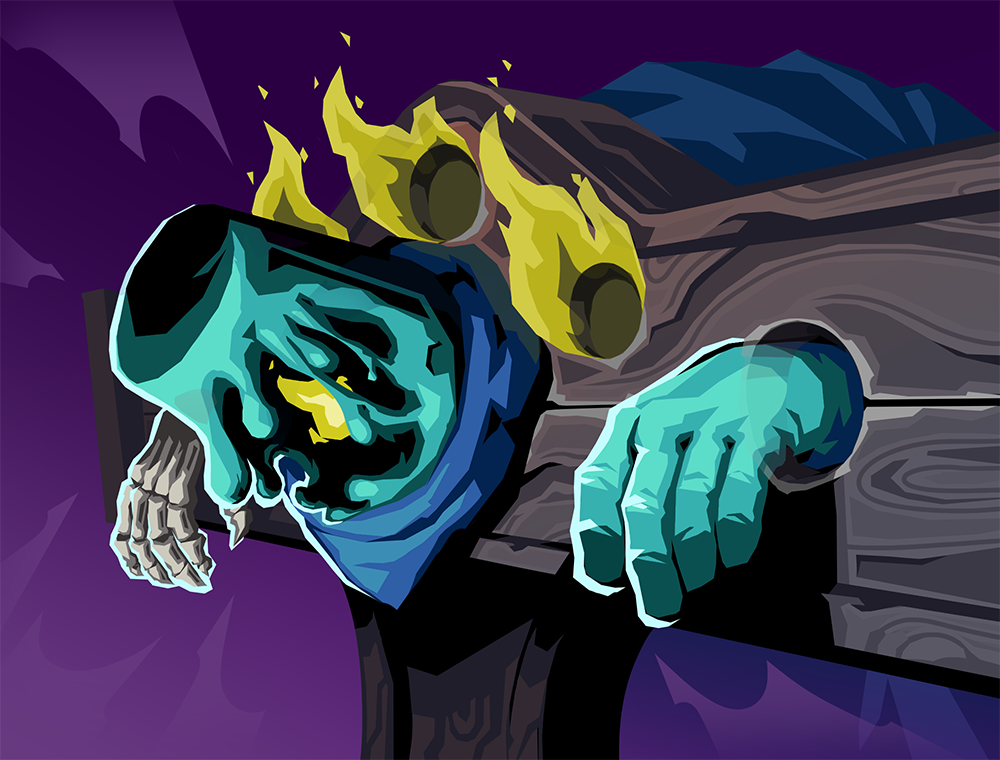
Bash card artwork
AttackBasic2 Energy

Bash

This is the first reason Ironclad can bully Act 1 fights. It does not look fancy, but every Vulnerable payoff gets cleaner once Bash is upgraded.

Damage 8→10Vulnerable 2→3
Base

Deal 8 damage. Apply 2 Vulnerable.

Upgrade

Deal 10 damage. Apply 3 Vulnerable.

Open card entry
Dominate card artwork
SkillUncommon1 Energy

Dominate

Dominate is a compact bridge card: it adds Vulnerable right now, then refunds the setup with Strength if the window is already open.

Vulnerable 1→2
Base

Apply 1 Vulnerable. Gain 1 Strength for each Vulnerable on the enemy.

Upgrade

Apply 2 Vulnerable. Gain 1 Strength for each Vulnerable on the enemy.

Open card entry
Cruelty card artwork
PowerRare1 Energy

Cruelty

Cruelty is the multiplier that turns a normal Ironclad turn into a real kill turn. It gets much nastier once your deck applies Vulnerable on command.

Cruelty 25→50
Base

Vulnerable enemies take an additional 25% damage.

Upgrade

Vulnerable enemies take an additional 50% damage.

Open card entry
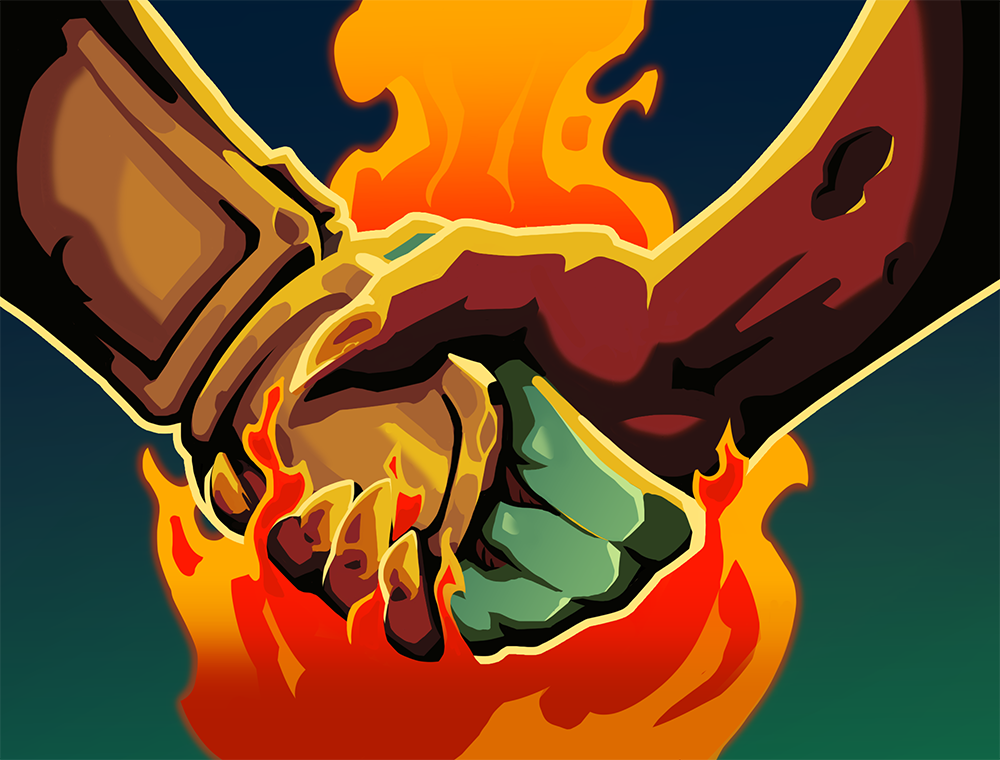
Burning Pact card artwork
SkillUncommon1 Energy

Burning Pact

Burning Pact keeps heavy hands from rotting. One good Exhaust outlet is often enough to make the rest of an Exhaust package playable.

Cards 2→3
Base

Exhaust 1 card. Draw 2 cards.

Upgrade

Exhaust 1 card. Draw 3 cards.

Open card entry
Dark Embrace card artwork
PowerRare2 Energy

Dark Embrace

If your list is already Exhausting cards on purpose, Dark Embrace changes the texture of every fight by keeping your hand live after the cleanup starts.

Energy Cost 2→1
Base

Whenever a card is Exhausted, draw 1 card.

Upgrade

Whenever a card is Exhausted, draw 1 card.

Open card entry
Demon Form card artwork
PowerRare3 Energy

Demon Form

Demon Form is still the blunt long-fight answer. Only pick it when the deck can survive the setup turn and still see it often enough to matter.

Strength 2→3
Base

At the start of your turn, gain 2 Strength.

Upgrade

At the start of your turn, gain 3 Strength.

Open card entry

Core Relics

Good relic sections should explain why the relic matters to this character, not just repeat the text line. These are the pieces that most cleanly sharpen the class plan.

Burning Blood relic icon
StarterDefenseIronclad Pool

Burning Blood

The starter relic keeps greedy routes legal. It is the reason you can take an efficient but bloody line and still arrive at the elite with real HP.

At the end of combat, heal 6 HP.

Heal 6
Open relic entry
Paper Phrog relic icon
UncommonAttackIronclad Pool

Paper Phrog

Paper Phrog is exactly what a Vulnerable deck wants: the setup cost stays the same, but every marked turn becomes much more expensive for the enemy.

Enemies with Vulnerable take 75% more damage rather than 50%.

Open relic entry
Charon's Ashes relic icon
RareAttackIronclad Pool

Charon's Ashes

Once the deck is Exhausting cards anyway, Charon's Ashes gives you free room-wide pressure and makes cleanup turns much less passive.

Whenever you Exhaust a card, deal 3 damage to ALL enemies.

Damage 3
Open relic entry
Ruined Helmet relic icon
RareAttackIronclad Pool

Ruined Helmet

Strength relics get better the more concentrated your gain is. Ruined Helmet loves lists that spike Strength instead of collecting it in tiny pieces.

The first time you gain Strength each combat, double the amount gained.

Open relic entry
Brimstone relic icon
ShopAttackIronclad Pool

Brimstone

Brimstone wins fast or gets you killed. Buy it only when the deck already kills on schedule and can afford the enemy side of the exchange.

At the start of your turn, gain 2 Strength and ALL enemies gain 1 Strength.

Self Strength 2Enemy Strength 1
Open relic entry

Best Packages And Synergy

A package is worth more than a pile of on-theme cards. Keep the shell small enough to find the cards that matter, and let the support pieces answer a clear question.

Relic pairs

Relic Pairs That Change The Run

Ironclad relics are strongest when they sharpen one plan instead of spraying generic value everywhere.

Burst

Paper Phrog + Ruined Helmet

This is the clean burst package. One Vulnerable window turns into immediate lethal pressure instead of a polite setup turn.

Exhaust

Charon's Ashes + Dark Embrace

Once both show up, Exhaust stops being deck maintenance and starts becoming a real room-clearing engine.

RouteRace

Burning Blood + Brimstone

The starter sustain is what makes an otherwise reckless race line survivable. If the attack shell is already dense, this pair changes route choices immediately.

Act Strategy

The class plan only matters if it survives contact with the route. These checkpoints keep the guide pointed at the rooms that punish sloppy drafting.

Act 1Spend HP To Buy Tempo

Ironclad can afford rough hallway fights if the reward improves the next elite. Prioritize the first real payoff card over ornamental defense, and upgrade Bash whenever the rest of the deck can cash the extra Vulnerable.
  • Find one strong frontload card.
  • Find one payoff for Vulnerable.
  • Do not overload on 3-cost cards too early.
Act 2Commit To One Engine

Act 2 is where mixed plans start failing. Either the deck is an Exhaust list, a Strength list, or a frontload list with enough block to reach the payoff turns. Make the call and trim the rest.

  • Keep one clear scaling package.
  • Respect enemy multi-hit turns.
  • Only keep Barricade if the deck truly produces repeated Block.
Act 3Protect The Kill Turn

Late Ironclad fights are about timing. Preserve the turn where Vulnerable, Strength, and your payoff attack all line up, and stop pretending every rare still belongs in the deck.

  • Keep draw and hand quality high.
  • Avoid slow cards that do not change boss math.
  • Enter the boss with one reliable scaling line.

Related Tools

Long-form advice is useful. A live calculator is better when the room is asking for a number right now.

Other Character Guides

Compare the rest of the roster from the same guide hub. Cross-reading is often the fastest way to see what this character does differently.

FAQ

Short answers to the questions that usually show up once the broad plan is already clear.

How hard should I chase Vulnerable on Ironclad?

Hard enough that your payoff turns are reliable, not so hard that every hand is setup. One or two strong enablers and a few cards that really cash the window is usually cleaner than stuffing the deck with every Vulnerable card.

When is Barricade actually worth keeping?

When the deck produces repeated Block and can afford the setup turn. If your defense is mostly single-use patches, Barricade often reads better than it plays.

Is Exhaust a side package or a full archetype?

It can be either. Burning Pact alone is just quality control. Dark Embrace, Feel No Pain, or Charon's Ashes push it into a real engine that deserves more support.