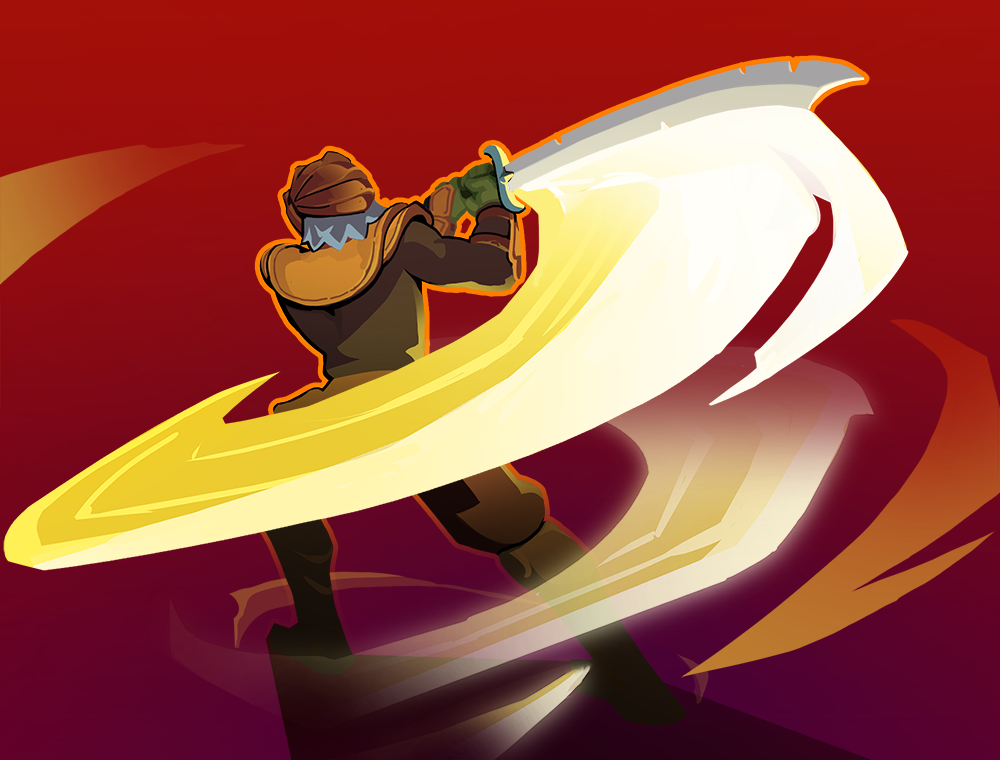
Why Pick ItWhirlwind gets underrated by players who see an X-cost attack and overrated by players who count only the dream turn; the real value sits in the middle. If the deck can produce bursts of energy or Strength and still lacks clean wide-fight damage, Whirlwind is often the most honest way Ironclad buys hallway control.
Why Skip ItOnce AOE is solved or the deck never floats energy, the card becomes fake flexibility. A low-energy list that is spending every turn on basics and survival is not one Bloodletting away from loving Whirlwind; it is just carrying a payoff it cannot fund.
BreakpointThe jump from five to eight damage per spin is huge because every extra point gets multiplied by both energy and Strength. That breakpoint only matters if it changes smith priority, turn sequencing, or the damage math you expect to face next. If that shift is not changing a real decision right now, the premium story is mostly cosmetic.
Best ShellsThe clean homes are Offering, Bloodletting, Strength scaling, and relics that turn one oversized energy turn into a hallway wipe. Whirlwind wants a shell that can cash the upside on the same turn or the same cycle it matters. Those decks convert the text into tempo, stability, or a faster kill clock instead of waiting several fights for the promise to come true.
Bad ShellsIt is mediocre in low-energy lists that spend every turn barely holding the line and never cash a big X turn. Those are the shells that make Whirlwind look stronger in draft than it feels in play. Whirlwind either arrives too early, lands too late, or asks for support the run never actually built.
Route ContextThis card matters most on routes with swarm fights, elite density, or relics that make one oversized turn realistic. If the next rooms are single-target checks and the deck needs stable sequencing instead of one expensive sweep, compare the draft against your actual route pressure.
Example LineThe good Whirlwind run has Offering, Bloodletting, or energy relics, plus at least one fight cluster where frontloaded AOE changes how much damage you take. In that spot Whirlwind is not a luxury; it is the cleanest answer to a problem Ironclad otherwise solves awkwardly.
Common MisreadThe trap is reading Whirlwind as generic late-game insurance even when the deck has neither energy nor Strength. Then the card sits in hand as a symbolic answer to wide fights while the real deck keeps losing to them.