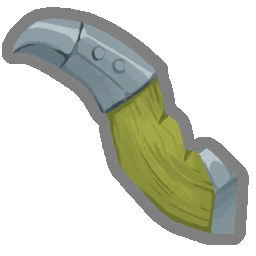
Why Pick ItBook Repair Knife pays you for doing the Doom thing you already wanted to do: finishing non-Minion enemies with Doom. Take it in real Doom decks that expect execute-style kills every combat and still value sustain. Best homes include Countdown, high Doom application density, and any shell that wins by crossing execute thresholds cleanly. When that support already exists, Book Repair Knife stops being theoretical upside and starts changing the next few fights immediately.
Why Skip ItSkip it outside dedicated Doom plans because the healing trigger becomes too inconsistent. It is poor in minion-focused or non-Doom Necrobinder lists. Book Repair Knife drops fast once the run no longer needs the exact job it was drafted to solve, which is where a premium-looking text box turns into dead weight.
BreakpointThe relic becomes strong only once Doom kills happen regularly rather than occasionally. That breakpoint only matters if it changes route greed, opener quality, or the fights you can safely take next. If that shift is not changing a real decision right now, the premium story is mostly cosmetic.
Best ShellsThe clean homes are Countdown, high Doom application density, and any shell that wins by crossing execute thresholds cleanly. Book Repair Knife wants a shell that can cash the upside on the same turn or the same cycle it matters. Those decks convert the text into tempo, stability, or a faster kill clock instead of waiting several fights for the promise to come true.
Bad ShellsIt is poor in minion-focused or non-Doom Necrobinder lists. Those are the shells that make Book Repair Knife look stronger in draft than it feels in play. Book Repair Knife either arrives too early, lands too late, or asks for support the run never actually built.
Route ContextRoute context matters because Book Repair Knife is only premium when it fixes the next failure point instead of adding one more nice idea to a deck that already has too many ideas. The next check is Open Doom Calculator. See how often your current Doom package really crosses the execute lines that trigger the relic. If the call is still close after that, use Open Necrobinder Guide. Compare the relic against Necrobinder lists that consistently secure Doom-based kills. If the next rooms are asking a different question, verify the line before you spend draft equity, a smith, or route safety on it.
Example LineTake it in real Doom decks that expect execute-style kills every combat and still value sustain. The support package already includes Countdown, high Doom application density, and any shell that wins by crossing execute thresholds cleanly. The relic becomes strong only once Doom kills happen regularly rather than occasionally. That is the version of the run where Book Repair Knife stops being speculative and starts changing what you can safely do in the next room or at the next campfire.
Common MisreadThe usual mistake is reading the ceiling and ignoring the shell. Skip it outside dedicated Doom plans because the healing trigger becomes too inconsistent. It is poor in minion-focused or non-Doom Necrobinder lists. Book Repair Knife gets overrated when players remember the best-case output but forget how rarely the current deck actually produces that state.