
Character Guide

Slay the Spire 2 Necrobinder Guide

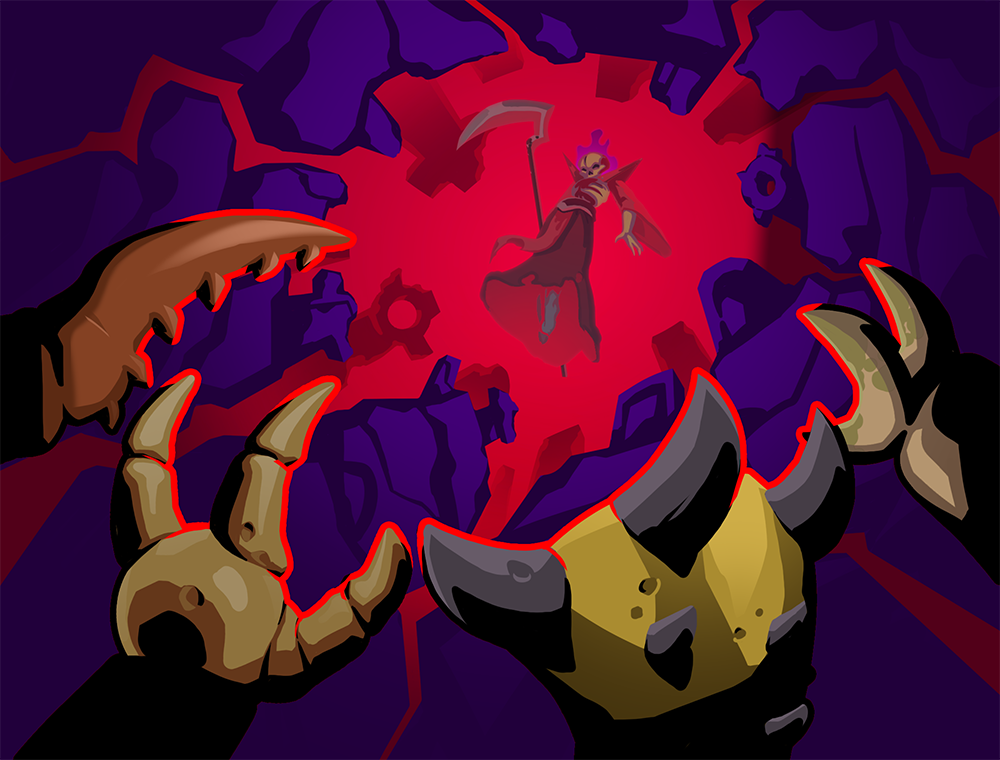
Necrobinder is the class that asks you to win two fights at once: the visible one on the board, and the delayed one where Doom finally crosses the execute line. Osty, Souls, and self-Doom all matter because they buy or accelerate that second fight.

The clean Necrobinder deck is not just a pile of Doom cards. It is a shell that can live through the setup turns, keep Osty relevant, and know exactly when to spend life or cards to reach the threshold early.

Doom threshold control88 cards8 relics35 attacks35 skills18 powers
Necrobinder artwork
Necrobinder is strongest when Doom, Osty, and Souls all point at the same finish instead of competing for deck space.

A-Grade Guide Scope

How To Use The The Necrobinder Guide

This page should explain the class plan, the package priorities, and the act pressure points without pretending one static guide can script every run.

Reviewed2026-03-28
Use This Guide

Read the class plan before you chase one premium hit

Use this page when the real question is how The Necrobinder wins, which core cards and relics matter, and what act checkpoints punish lazy drafting.

Where It Drifts

A guide stops helping when you treat it like fixed pick order

Patch shifts, relic spikes, and route pressure can all move the best line away from the default shell. One long page should frame judgment, not fake certainty.

Open A Tool Next

Switch to a calculator once the room asks for numbers

This guide covers package fit and route logic. If the next decision is exact HP, damage, draft, or campfire math, use the linked tools instead of forcing precision out of the guide.

Current Scope

This guide is tied to the current Early Access strategy cycle

Current Early Access character-guide cycle. If a patch moves the draft incentives, starter shell, or route math hard enough, the guide gets revised instead of pretending one old summary still fits every room.

Real Example

Do Not Let The Shell Collapse

The first act is about proving the deck can survive while Doom matters. Prioritize one or two cards that keep Osty useful, one reliable block piece, and the first real Doom payoff.
Maintenance Signals

Who Maintains This Page

Guide pages should make the owner, review date, revision reason, and scope visible before the page starts asking for trust.

Maintained bySTS2 Calculator Strategy Desk

Owns longform strategy pieces that turn card, relic, and route data into run decisions.

Responsible editorSTS2 Calculator Site Operator

STS2 Calculator Site Operator is the final operator for corrections, rights issues, and maintenance triage at [email protected].

Last reviewedMarch 28, 2026

The hero summary, package recommendations, act plans, FAQ answers, and related tool links were rechecked on the date shown here.

Revision noteVisible update

The Necrobinder guide rechecked for doom threshold control, Doom Threshold, Do Not Let The Shell Collapse, and the Doom Calculator handoff against the current Early Access strategy surface.

Patch verifiedCurrent Early Access character-guide cycle

If a patch changes the class shell, route pressure, or payoff incentives, this guide should be revised instead of keeping stale priorities online.

Applies toThe Necrobinder strategy guidance for the current Slay the Spire 2 Early Access surface covered by this page.

Use the linked calculators and databases once the run needs exact numbers instead of a broader shell-level judgment.

DisclaimerCharacter guide, not scripted pick order.

The guide frames what usually matters. Current relics, route shape, and room pressure can still override the default line.

Why The Necrobinder Works

Builds Doom breakpoints, Soul loops, and chip windows that let the whole team play to a delayed kill.

Count Doom Honestly

Doom only matters when it crosses HP on time. Cards like Countdown, Deathbringer, and End of Days are great because they make that math much less speculative.

Keep Osty Relevant

Summon cards are not just flavor. Osty buys block, damage, and tempo that keeps the real player alive through the setup turns.

Use Souls As Fuel

Souls and graveyard tools become real once the payoffs exist. Devour Life, Dredge, and similar cards reward a list that can recycle or cash those pieces cleanly.

Starter Shell

Bound Phylactery and the basic shell already tell you the class secret: Osty is not optional decoration. He is part of your defense, part of your pressure, and often the thing that buys the time Doom needs.

Bound Phylactery relic icon
StarterDefense

Bound Phylactery

At the start of your turn, Summon 1.

Summon 1
Open relic entry
4 basicsOpening deck

Starter Cards

Bodyguard, Defend, Strike, Unleash.

BodyguardDefendStrikeUnleash

Core Cards

These are the cards that most often define the run. The values below stay explicit so the advice is tied to the real card text, not hand-wavy archetype talk.

Bodyguard card artwork
SkillBasic1 Energy

Bodyguard

The starter Summon card is already doing real work. If the deck forgets how important Osty is, the rest of the class gets much harder to pilot.

Summon 5→7
Base

Summon 5.

Upgrade

Summon 7.

Open card entry
Countdown card artwork
PowerUncommon1 Energy

Countdown

Countdown is clean Doom pressure because it keeps applying without demanding another card every turn. Long fights get much easier once this lands early.

Countdown 6→9
Base

At the start of your turn, apply 6 Doom to a random enemy.

Upgrade

At the start of your turn, apply 9 Doom to a random enemy.

Open card entry
Deathbringer card artwork
SkillUncommon2 Energy

Deathbringer

Deathbringer is one of the best reasons to stay Necrobinder. It pressures the whole room at once and buys time with Weak while the threshold climbs.

Doom 21→26
Base

Apply 21 Doom and 1 Weak to ALL enemies.

Upgrade

Apply 26 Doom and 1 Weak to ALL enemies.

Open card entry
Devour Life card artwork
PowerRare1 Energy

Devour Life

Devour Life turns Souls into durable board value. Once it sticks, every Soul package card starts pulling more than one job.

Devour Life 1→2
Base

Whenever you play a Soul, Summon 1.

Upgrade

Whenever you play a Soul, Summon 2.

Open card entry
Borrowed Time card artwork
SkillUncommon0 Energy

Borrowed Time

Borrowed Time is exactly the kind of card that separates clean Necrobinder play from sloppy play. The extra Energy is excellent, but only when the self-Doom is being tracked on purpose.

Energy 1→2
Base

Apply 3 Doom to yourself. Gain 1 Energy.

Upgrade

Apply 3 Doom to yourself. Gain 2 Energy.

Open card entry
End of Days card artwork
SkillRare3 Energy

End of Days

End of Days is the payoff card that makes the whole delayed kill plan feel real. Draft it when the deck can reliably reach the turn where it matters.

Doom 29→37
Base

Apply 29 Doom to ALL enemies. Kill enemies with at least as much Doom as HP.

Upgrade

Apply 37 Doom to ALL enemies. Kill enemies with at least as much Doom as HP.

Open card entry

Core Relics

Good relic sections should explain why the relic matters to this character, not just repeat the text line. These are the pieces that most cleanly sharpen the class plan.

Bound Phylactery relic icon
StarterDefenseNecrobinder Pool

Bound Phylactery

Free Summon every turn is the basic rhythm of the class. It is the relic that keeps Osty relevant before the deck has drawn a single helper card.

At the start of your turn, Summon 1.

Summon 1
Open relic entry
Bone Flute relic icon
CommonDefenseNecrobinder Pool

Bone Flute

Bone Flute makes every Osty attack defensive as well as offensive. That is exactly the kind of two-job relic Necrobinder wants.

Whenever Osty attacks, gain 2 Block.

Block 2
Open relic entry
Book Repair Knife relic icon
UncommonAttackNecrobinder Pool

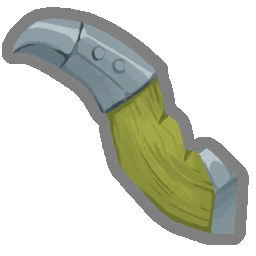
Book Repair Knife

Book Repair Knife pays you for doing the Doom thing correctly. It is one of the relics that makes delayed kills feel safe instead of theatrical.

Whenever a non-Minion enemy dies to Doom, heal 3 HP.

Heal 3
Open relic entry
Funerary Mask relic icon
UncommonDeck FlowNecrobinder Pool

Funerary Mask

Starting fights with Souls already in the pile is a big upgrade once the deck has real Soul payoffs. It shortens the distance to your best turns.

At the start of each combat, add 3 Souls into your Draw Pile.

Cards 3
Open relic entry
Bookmark relic icon
RareDeck FlowNecrobinder Pool

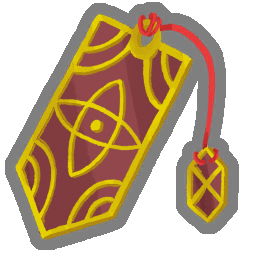
Bookmark

Retained Necrobinder turns get much scarier once Bookmark starts discounting them. It is excellent in shells that want to line up one heavy turn instead of spending everything immediately.

At the end of each turn, lower the cost of a random Retained card by 1 until played.

Open relic entry
Undying Sigil relic icon
ShopAttackNecrobinder Pool

Undying Sigil

Undying Sigil is what makes a live Doom threshold feel like safety, not just future damage. If the deck wins through Doom, this relic often changes routing.

Enemies with at least as much Doom as HP deal 50% less damage.

Damage Decrease 0.5
Open relic entry

Misreads

Current Patch Misreads

Necrobinder punishes sloppy arithmetic harder than the other characters. The bad losses usually come from one of these fake assumptions.

Doom math

Assuming Doom is already lethal

If the stack is one turn short, then it is not lethal. Necrobinder loses plenty of runs by celebrating a future kill while the current turn is still unsafe.

Borrowed Time

Treating self-Doom as free Energy

Borrowed Time is excellent only when the list already knows how it survives the extra pressure. Otherwise the bonus Energy just speeds up the collapse.

Souls

Drafting Soul cards without a cashout

Souls are a resource only when something consumes or amplifies them. Until then they are clutter with better marketing.

Best Packages And Synergy

A package is worth more than a pile of on-theme cards. Keep the shell small enough to find the cards that matter, and let the support pieces answer a clear question.

Soul Engine

Souls are only worth the deck space when they are being cashed in. Once Devour Life or similar payoffs are present, Souls stop being filler and start becoming a true resource loop.

Act Strategy

The class plan only matters if it survives contact with the route. These checkpoints keep the guide pointed at the rooms that punish sloppy drafting.

Act 1Do Not Let The Shell Collapse

The first act is about proving the deck can survive while Doom matters. Prioritize one or two cards that keep Osty useful, one reliable block piece, and the first real Doom payoff.
  • Keep Osty alive often enough to matter.
  • Do not overbuy self-Doom without payoff.
  • Find at least one clean room-wide tool.
Act 2Choose Doom Or Board First

By Act 2 the run should know whether it wins through threshold math, summon pressure, or a blend of both. The mixed version is fine, but only if both halves already work.

  • Respect multi-body fights.
  • Only keep Soul cards with actual payoffs.
  • Value block that buys one more Doom turn.
Act 3Make Delayed Lethal Safe

Late Necrobinder decks are powerful when the threshold is live before the enemy gets another serious turn. Trim slow fluff, keep draw clean, and know your exact execute windows.

  • Track self-Doom on purpose.
  • Enter bosses with one reliable threshold plan.
  • Use energy and card draw to reach the payoff turn faster.

Turning nodes

The Turns That Make Necrobinder Safe

The character feels volatile until a few specific pieces show up. After that, the delayed-kill plan becomes much more honest.

Hallways

The first room-wide Doom tool

Once the deck can pressure the whole room, hallway fights stop demanding perfect sequencing against every small target.

Osty

The first safe Osty loop

A summon pattern that keeps Osty alive and useful changes the whole class. It buys time without surrendering pressure.

RelicsThreshold

The first premium threshold relic

Book Repair Knife or Undying Sigil turns Doom from a promise into a routing decision. Those relics shorten the distance between setup and safety.

Related Tools

Long-form advice is useful. A live calculator is better when the room is asking for a number right now.

Other Character Guides

Compare the rest of the roster from the same guide hub. Cross-reading is often the fastest way to see what this character does differently.

FAQ

Short answers to the questions that usually show up once the broad plan is already clear.

Should I build Doom first or Osty first?

Build the side the run is actually offering, but remember they support each other. Doom needs time, and Osty is one of the best ways to buy that time without giving up pressure.

How much self-Doom is safe?

Only as much as the deck can track and offset. Borrowed Time is excellent, but not in a shell that already struggles to survive ordinary turns.

Are Souls worth it without payoffs?

Usually not for long. Souls become excellent once Devour Life, Dredge, Funerary Mask, or related effects are online. Before that, they can clog more than they help.