← Back to Cards
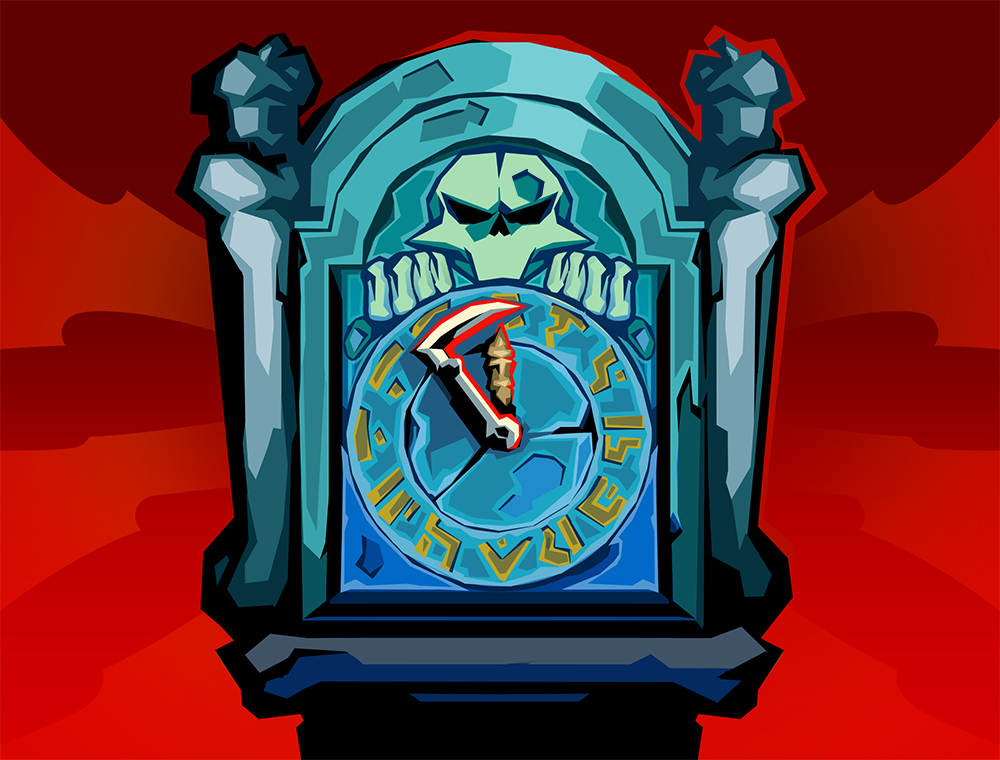
Countdown card artwork
NecrobinderPowerUncommonEpoch 2

Countdown

Countdown is strong when you want passive Doom pressure every turn instead of spending cards to keep reapplying the status.

Curated Decision Signal

Fast Card Decision Snapshot

Countdown is not a blind take. Use this strip to see the keep signal, the trap case, and the real breakpoint before you read the full detail page.

ReviewedMarch 28, 2026
Keep signal

Countdown is strong when you want passive Doom pressure every turn instead of spending cards to keep reapplying the status.

Overrate risk

The usual mistake is reading the ceiling and ignoring the shell.

Real breakpoint

Going from six to nine Doom per turn is a real timing breakpoint because execute thresholds arrive much faster.

Pass signal

Skip it in burst decks that kill before powers come online or when random targeting is too costly.

Base Cost1
Upgrade Cost1
TargetSelf
PoolNecrobinder

Editorial Strategy Notes

Countdown is strong when you want passive Doom pressure every turn instead of spending cards to keep reapplying the status.

Editorial PassMarch 28, 2026
When It Is Worth Taking
  • Take it in long fights where repeated Doom application scales better than another one-shot attack.
When It Is Not Worth Taking
  • Skip it in burst decks that kill before powers come online or when random targeting is too costly.
Upgrade Breakpoints
  • Going from six to nine Doom per turn is a real timing breakpoint because execute thresholds arrive much faster.
Common Fits
  • Doom execution tools, block packages, and relics that reward Doom-finishing lines.
Common Trap Fits
  • It is weak in decks already racing fights with direct damage and no need for a slow engine.

Decision Breakdown

Card Decision Breakdown

The short panel above is the fast answer. This section slows the judgment down: where the card is live, where it is bait, and which next decision actually changes the call.

Why Pick It

Countdown is strong when you want passive Doom pressure every turn instead of spending cards to keep reapplying the status. Take it in long fights where repeated Doom application scales better than another one-shot attack. Best homes include Doom execution tools, block packages, and relics that reward Doom-finishing lines. When that support already exists, Countdown stops being theoretical upside and starts changing the next few fights immediately.

Why Skip It

Skip it in burst decks that kill before powers come online or when random targeting is too costly. It is weak in decks already racing fights with direct damage and no need for a slow engine. Countdown drops fast once the run no longer needs the exact job it was drafted to solve, which is where a premium-looking text box turns into dead weight.

Breakpoint

Going from six to nine Doom per turn is a real timing breakpoint because execute thresholds arrive much faster. That breakpoint only matters if it changes smith priority, turn sequencing, or the damage math you expect to face next. If that shift is not changing a real decision right now, the premium story is mostly cosmetic.

Best Shells

The clean homes are Doom execution tools, block packages, and relics that reward Doom-finishing lines. Countdown wants a shell that can cash the upside on the same turn or the same cycle it matters. Those decks convert the text into tempo, stability, or a faster kill clock instead of waiting several fights for the promise to come true.

Bad Shells

It is weak in decks already racing fights with direct damage and no need for a slow engine. Those are the shells that make Countdown look stronger in draft than it feels in play. Countdown either arrives too early, lands too late, or asks for support the run never actually built.

Route Context

Route context matters because Countdown is only premium when it fixes the next failure point instead of adding one more nice idea to a deck that already has too many ideas. The next check is Open Necrobinder Guide. Use the guide to place Countdown inside real Doom engines instead of overrating it in every slow hand. If the call is still close after that, use Open Doom Calculator. Check exactly how the upgrade changes the turns until execute thresholds are reached. If the next rooms are asking a different question, verify the line before you spend draft equity, a smith, or route safety on it.

Example Line

Take it in long fights where repeated Doom application scales better than another one-shot attack. The support package already includes Doom execution tools, block packages, and relics that reward Doom-finishing lines. Going from six to nine Doom per turn is a real timing breakpoint because execute thresholds arrive much faster. That is the version of the run where Countdown stops being speculative and starts changing what you can safely do in the next room or at the next campfire.

Common Misread

The usual mistake is reading the ceiling and ignoring the shell. Skip it in burst decks that kill before powers come online or when random targeting is too costly. It is weak in decks already racing fights with direct damage and no need for a slow engine. Countdown gets overrated when players remember the best-case output but forget how rarely the current deck actually produces that state.

Maintenance Signals

Who Maintains This Page

Curated detail pages should not be anonymous. This block tells you who maintains the human review layer, when it was checked, and why only selected entries carry this extra judgment.

Maintained bySTS2 Calculator Card Review Desk

Only curated high-value card pages get a human-written review layer and maintenance signals. The rest stay plain reference pages on purpose.

Responsible editorSTS2 Calculator Site Operator

Final site operator and responsible editor. Final contact for corrections, rights notices, and maintenance triage via [email protected].

Last reviewedMarch 28, 2026

The curated summary, pairings, traps, and next-step routes for this card were checked on the date shown here.

Revision noteVisible update

Countdown was rechecked in the current curated card review cycle. The core decision signal, the main trap case, and the first linked follow-up page were all confirmed on this pass.

Patch verifiedCurrent curated card-review cycle

This page is rechecked when card text, upgrade delta, or the surrounding draft environment moves enough to make the old note dishonest.

Applies toCountdown as a curated card detail page inside the maintained live-site card set.

The page is meant to answer when this card is worth taking, when it is a trap, and which deeper page should come next.

DisclaimerCurated evaluation, not universal draft truth.

A strong card still fails in the wrong shell. Use the card database, guides, and calculators when context does more work than the card text itself.

Upgrade Comparison

The comparison stays stacked from top to bottom, so the card text is easy to read on both desktop and mobile.

Base

Cost 1

At the start of your turn, apply 6 Doom to a random enemy.
Countdown
6

Upgraded

Cost 1

At the start of your turn, apply 9 Doom to a random enemy.
Countdown
9

What Changes on Upgrade

  • Countdown6 → 9

Card Details

Printed metadata matters because search filters are only useful when the labels are clean.

Keywords
None
Tags
None
Upgrade Snapshot

Countdown: 6 -> 9

Unlock Epoch

Epoch 2 · Necrobinder · Invitation0