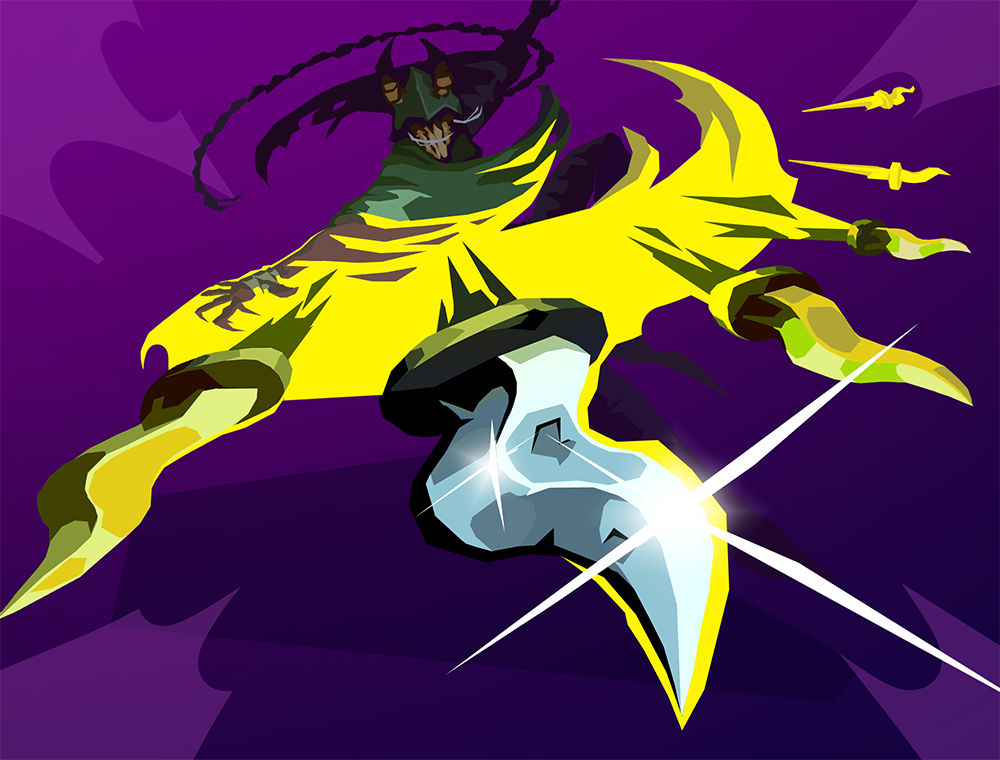
Why Pick ItBlade Dance is only premium when each extra Shiv already means something through Strength, hit-count relics, Afterimage, or clean burst turns. Once that support exists, Blade Dance stops being generation and starts being conversion.
Why Skip ItWithout scaling or room for generated cards, Blade Dance can be the card that makes a messy Silent hand worse. That is the trap in poison or control decks: the text produces actions, but not actions the deck is built to monetize.
BreakpointThe fourth Shiv on upgrade is a major breakpoint because every hit-based payoff gets another trigger. That breakpoint only matters if it changes smith priority, turn sequencing, or the damage math you expect to face next. If that shift is not changing a real decision right now, the premium story is mostly cosmetic.
Best ShellsThe clean homes are Cheap attack chains, Strength scaling, and relics that reward three-hit turns. Blade Dance wants a shell that can cash the upside on the same turn or the same cycle it matters. Those decks convert the text into tempo, stability, or a faster kill clock instead of waiting several fights for the promise to come true.
Bad ShellsIt is weak in decks already struggling with hand space from generated cards. Those are the shells that make Blade Dance look stronger in draft than it feels in play. Blade Dance either arrives too early, lands too late, or asks for support the run never actually built.
Route ContextThe card gets better when the next route pressures elite tempo or asks for frontloaded damage without giving up flexibility. If the run is already drifting toward poison, retain-control, or tight hand-space turns, compare the pick against the actual shell instead of the generic Shiv highlight reel.
Example LineA real Blade Dance deck has Strength, Kunai-style payoffs, Afterimage, or enough burst support that four small hits are functionally one big turn. In that state Blade Dance is not clutter; it is one card that turns multiple synergies on immediately.
Common MisreadPlayers overrate Blade Dance by counting Shivs and underrate the cost of holding them. If the deck is not rewarding repeated hits, the card creates the illusion of action while quietly making draw steps more cramped and less decisive.